What Is Point-of-Care Ultrasound?
What Is Point-of-Care Ultrasound?

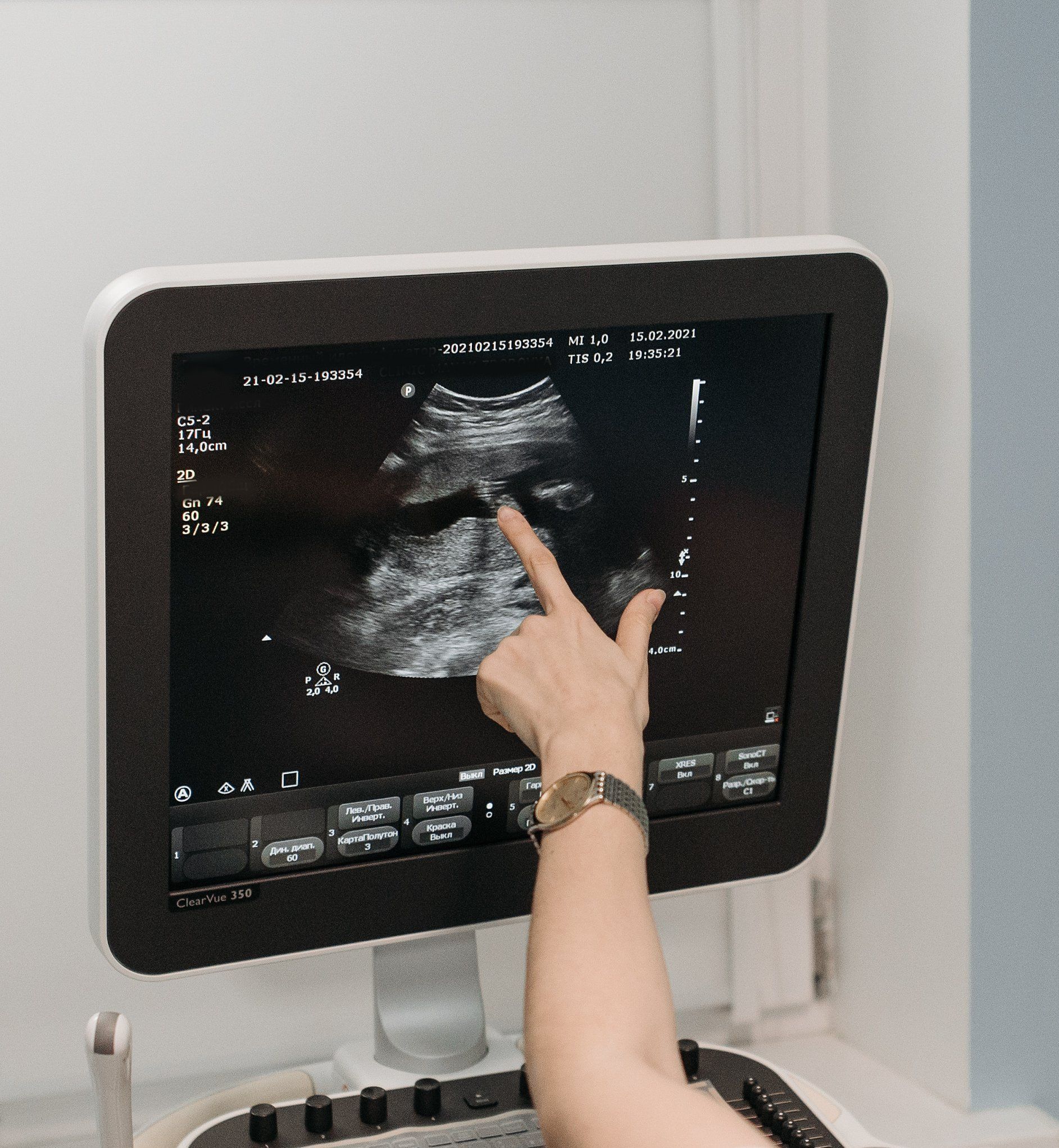
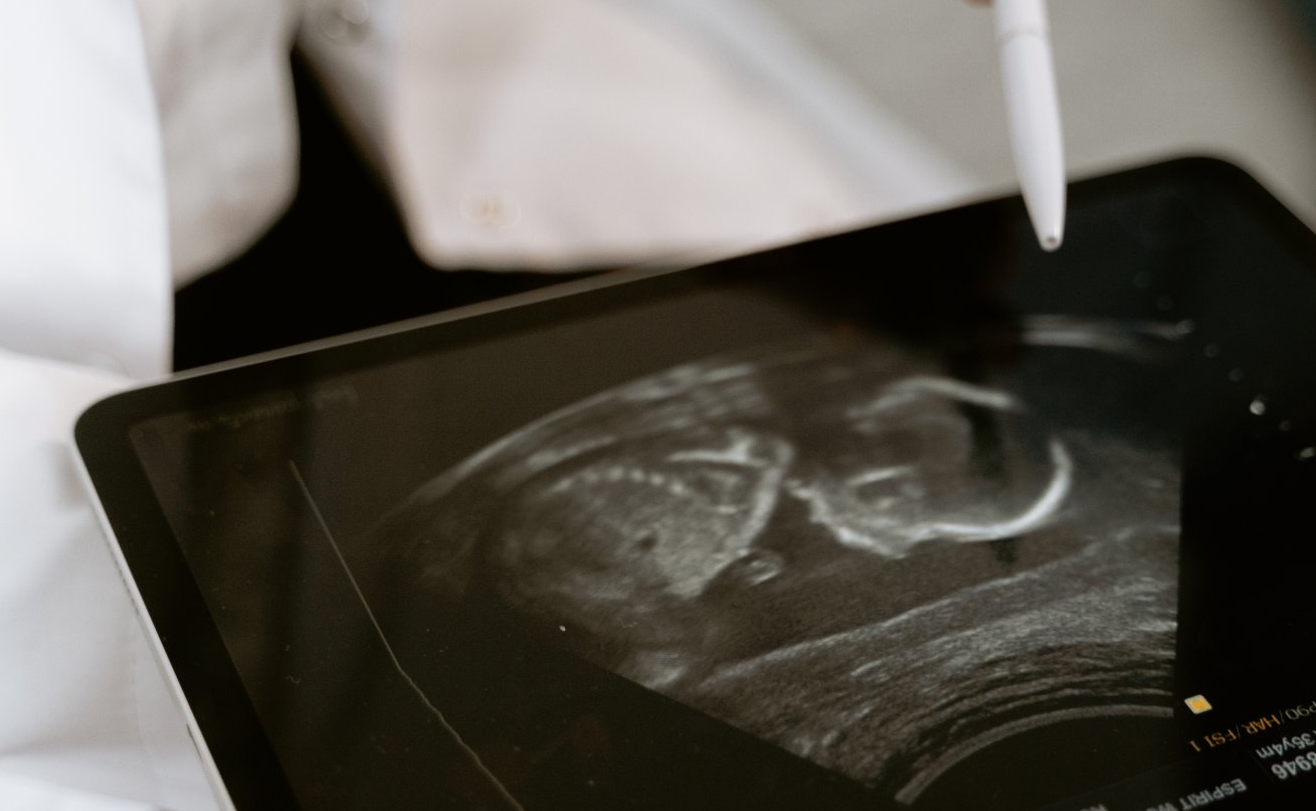
Point-of-care ultrasound, often called POCUS or POC ultrasound, is an ultrasound performed at the bedside by a clinician to help answer focused clinical questions in real time.
Simply put, POCUS helps clinicians answer immediate “yes or no” questions that can guide patient care.
For example:
- Is there free fluid in the abdomen?
- Is there cardiac activity?
- Is the bladder full?
- Is there a pleural effusion?
- Is there hydronephrosis?
- Is there a DVT?
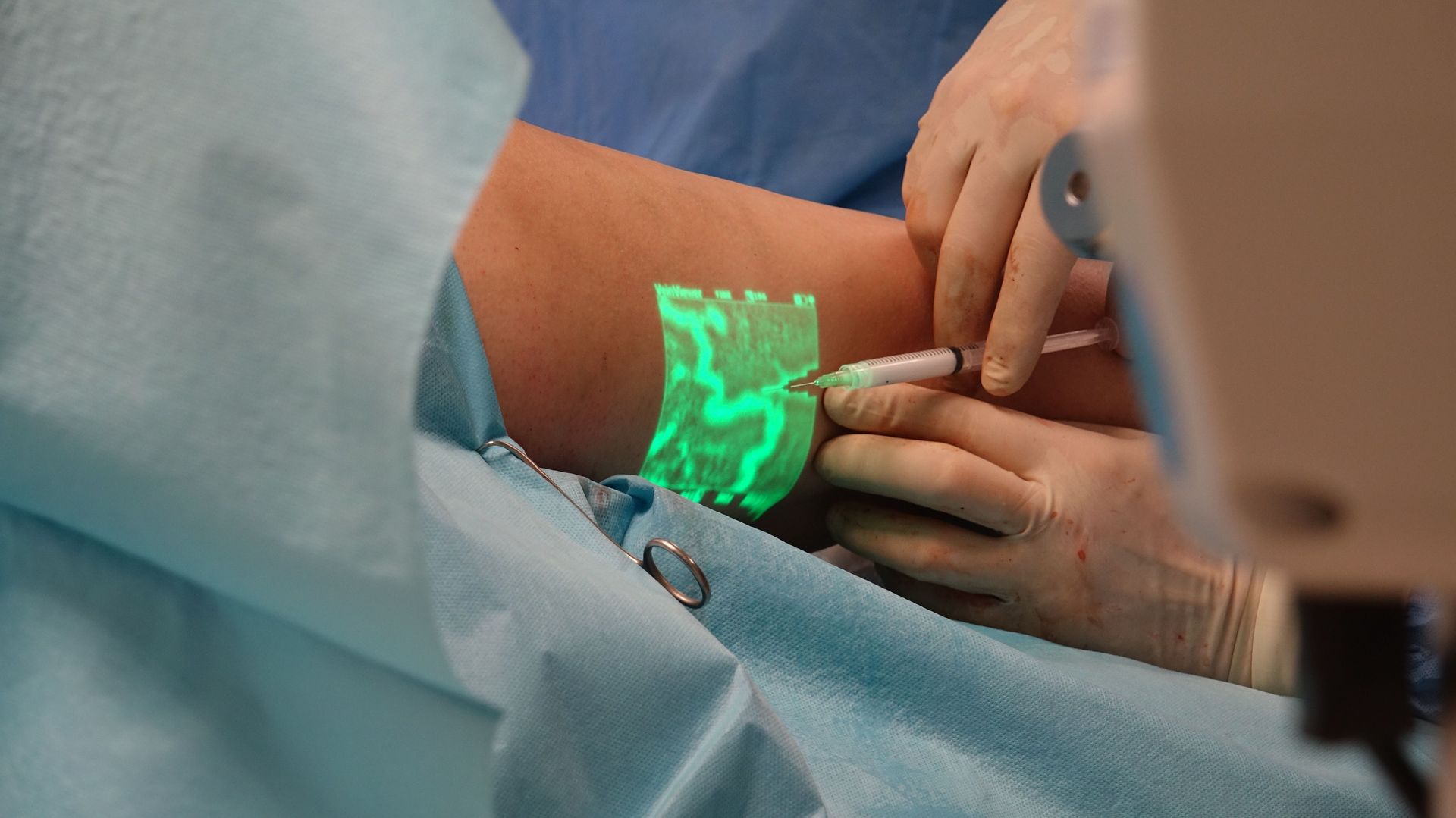
- Can I safely guide this needle or IV?
Unlike a full diagnostic ultrasound exam, point-of-care ultrasound is typically focused, problem-based, and performed in the moment by the treating clinician. The goal is not always to complete a full comprehensive study. The goal is to gather helpful information quickly so the clinician can make better, faster decisions at the bedside.
Why Point-of-Care Ultrasound Matters
POCUS has become an important tool across many clinical settings, including emergency medicine, critical care, primary care, nephrology, anesthesia, EMS, urgent care, and bedside procedures.
It can help clinicians:
- Improve diagnostic confidence
- Support faster decision-making
- Guide procedures more safely
- Monitor changes in real time
- Bring imaging directly to the patient
For many clinicians, ultrasound becomes an extension of the physical exam. Instead of relying only on what can be seen, heard, or felt, POCUS allows the clinician to look beneath the surface and better understand what may be happening in that moment.
POCUS Is Not Just About the Machine
One of the biggest misconceptions about point-of-care ultrasound is that buying an ultrasound device is enough.
The device is only one part of the equation.
To use ultrasound safely and confidently, clinicians need structured education, hands-on practice, image review, and a clear understanding of what questions they are trying to answer. POCUS is most effective when clinicians understand the anatomy, know how to optimize the image, recognize common pathology, and understand the limits of what they are seeing.
This is where structured ultrasound education becomes important.
Common Uses of POCUS
Point-of-care ultrasound can be used in many ways depending on the clinician’s specialty and scope of practice.
Common applications include:
Cardiac ultrasound
Used to assess basic heart function, cardiac activity, and signs of pericardial effusion.
Lung ultrasound
Used to evaluate for findings such as pleural effusion, pneumothorax, or pulmonary edema.
Abdominal ultrasound
Used to look for free fluid, gallbladder findings, aortic aneurysm, or other focused questions.
Renal and bladder ultrasound
Used to assess for hydronephrosis, bladder volume, or urinary retention.
Vascular ultrasound
Used to assess for DVT or help guide vascular access.
Ultrasound-guided procedures
Used to improve visualization during procedures such as IV placement, MSK injections, drainage, or needle guidance.
Point-of-Care Ultrasound Requires Practice
POCUS is a powerful clinical tool, but it takes time and practice to develop confidence. Learning ultrasound is not just memorizing anatomy or watching videos. It requires understanding how to hold the probe, adjust the image, recognize normal and abnormal findings, and apply that information appropriately in clinical care.
That is why a structured learning path can make a big difference.
Instead of piecing together random videos and trying to figure out where to start, clinicians benefit from a guided program that builds foundational knowledge first, then moves into focused clinical applications.
Learn Point-of-Care Ultrasound With a Clear Path
At Ultrasound Energy, we help clinicians learn point-of-care ultrasound through flexible online education, hands-on training workshops, CME opportunities, and POCUS certification support.
Whether you are new to ultrasound or looking to strengthen your skills, our programs are designed to help you build confidence, improve your scanning foundation, and move toward using ultrasound more effectively in clinical practice.
Ready to get started?
Explore our online point-of-care ultrasound programs and take the next step toward learning ultrasound with a clear path.